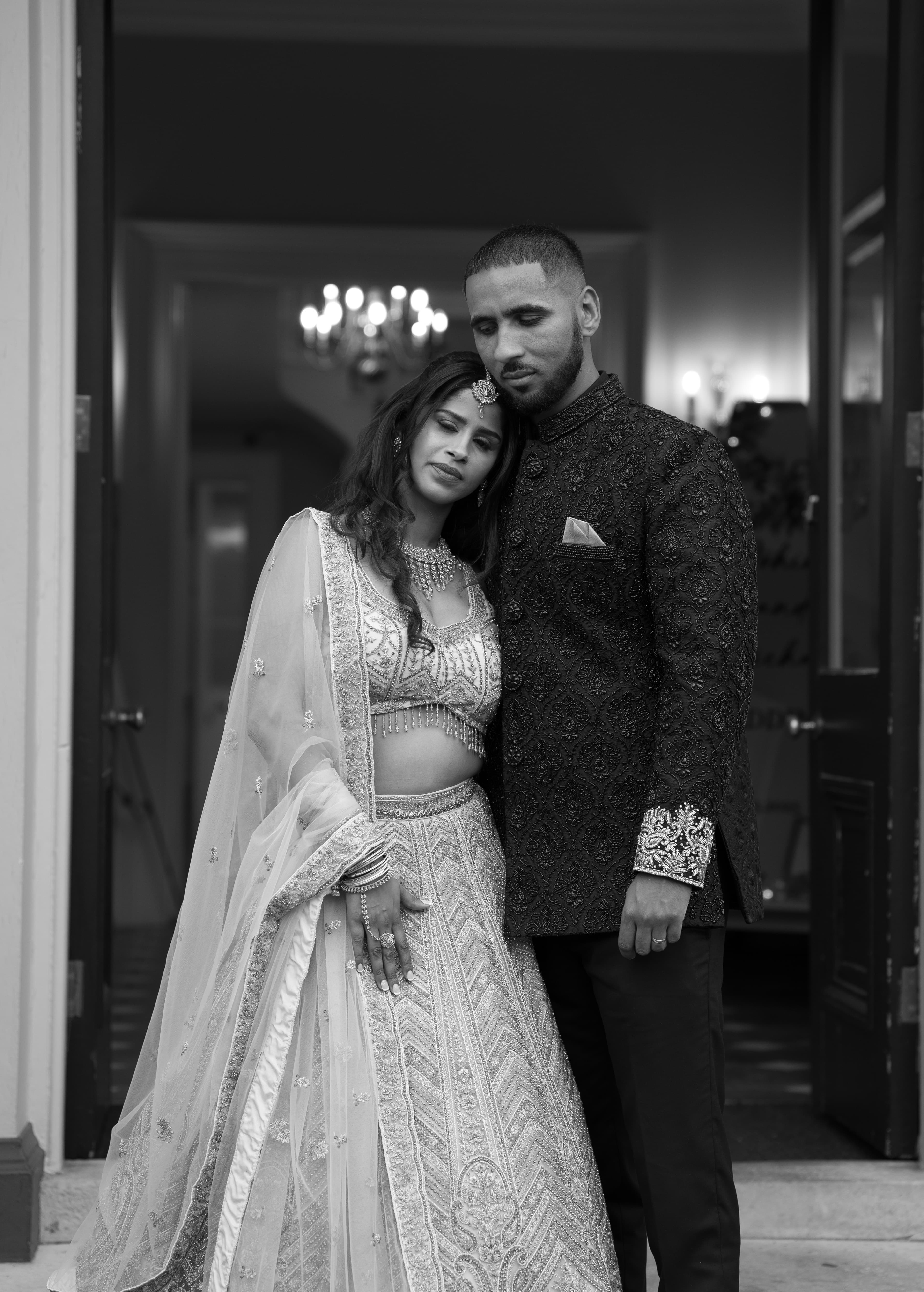
A good confetti moment needs three things: permission from the venue, a clear place for guests to stand and one person who will give a simple cue. Decide whether you want a walk-through, a stationary throw or a wider celebration, then share the plan with your coordinator, photographer and videographer before the wedding.
The best result is not about making every piece of confetti land perfectly. It is about giving you room to move naturally while the people around you can celebrate without blocking the route or surprising the camera team.
Start with the venue rules, not the picture
Ask the venue or ceremony team whether confetti is allowed, where it may be used, which materials are acceptable and who is responsible for clearing it. Rules can differ between outdoor paths, indoor rooms, hired transport areas and places of worship. Get the current answer directly from the people responsible for the space.
Do not buy or distribute confetti until those details are confirmed. If the venue limits the material, amount or location, plan around that boundary rather than assuming the photograph matters more than the setting. Tell your photographer and videographer what has been approved so they can suggest a workable position.
If confetti is not permitted, you still have options. Guests can form a welcome line, cheer, wave or gather for a relaxed exit without throwing anything. The celebration matters more than copying a particular photograph.
Choose the moment that fits your day
Confetti often works after a ceremony because everyone is already together, but that is not the only option. It might happen outside a register office, as you leave a reception entrance or at another point agreed with the venue. Choose a moment when the right guests are present and the timetable has enough space for a brief setup.
Avoid placing it immediately before a tight travel deadline. Gathering guests, handing out confetti and clearing a route takes longer than the throw itself. A small buffer keeps the moment cheerful if the ceremony finishes late or the weather changes.
Add the plan to the same running order used by your venue and camera team. The wedding photography and videography timeline guide explains how to give important moments realistic space without turning the day into a continuous photoshoot.
Pick one simple shape
A walk-through usually places the couple at one end of a clear route while guests line both sides. A stationary throw gathers guests around or behind the couple for one coordinated celebration. A wider exit lets the couple move through a doorway or along a path as guests cheer from an agreed area.
There is no universally best version. A narrow path, wind direction, uneven ground, accessibility needs and the number of participating guests can all change what is comfortable. Ask the venue and camera team to look at the actual space rather than copying a layout from another wedding.
Keep the route free from bags, drinks, pushchairs and loose decorations. If anyone needs a more accessible position or cannot stand for long, include that in the arrangement quietly and give them time to settle.
Brief guests in one or two sentences
Choose one confident person to explain the plan and give the cue. This might be the coordinator, celebrant, toastmaster or a trusted guest. The photographer should not have to shout several different instructions while the videographer is still finding a clear angle.
The brief can be simple: stand on the marked sides, keep the centre clear, hold the confetti until the cue, then throw upwards rather than directly at faces. Guests do not need a rehearsal. They only need to know where to be, what not to block and when to begin.
Hand the confetti out before the couple enters the route. If packets still need opening after the cue, half the group will throw late. Ask helpers to spread it across both sides instead of giving everything to the first few people they reach.
Plan for photographs and film together
Photography can freeze the peak of the throw, expressions and smaller reactions. Film can preserve the movement, cheering and the way you walk through the group. Both need usable sightlines, but they may not stand in exactly the same place.
Tell the team whether you plan to pause, walk normally, run, turn towards each other or stop for a kiss. You do not need a performance. A natural pace is easier to enjoy and gives both cameras time to follow the moment.
When photography and film are booked separately, introduce the suppliers and give them the same plan. When they are covered by one coordinated team, ask who will lead the setup and where each operator expects to stand. The guide to booking wedding photography and videography together explains why clear roles help during moments that cannot simply be repeated.
Avoid asking guests to crowd behind the camera team. A wider semicircle or longer route may create more room, but the exact shape should fit the location. Let the people covering the moment agree positions before guests are called over.
Think about wind, rain and light
Wind can carry confetti away from the planned route or blow it towards faces. Rain can change the surface underfoot and affect what the venue allows. Bright low sun can also alter where the team prefers to stand. These are reasons for a flexible plan, not reasons to worry.
Agree a nearby fallback point or decide that the moment will be skipped if conditions are unsuitable. Do not move the group into an unapproved indoor space or onto a road simply to keep the original idea. Let the venue and suppliers make a safe, practical decision from the conditions on the day.
If timing is flexible, ask whether the light is more suitable a few minutes earlier or later. Keep that conversation proportionate: a brief adjustment may help, but guests should not be held in position for a long setup.
How much confetti should guests have?
There is no useful one-size-fits-all quantity. It depends on the approved material, packet size, number of guests, route width and venue limits. Ask the supplier how its portions are intended to be used, then check the amount with the venue and camera team.
A smaller group with evenly distributed handfuls may work better than a large group where only a few people are ready. The goal is coordinated participation, not maximum volume. Avoid inventing a number from an online photograph whose location and restrictions you do not know.
Keep spare material with a helper rather than adding more at the last second. The team can decide whether the approved plan already looks balanced once people are in place.
Do you need to repeat the throw?
Plan as though the moment will happen once. Genuine expressions often come from that first shared burst of movement and cheering. A second attempt can feel more directed and may create extra clearing work or conflict with the timetable.
If the venue permits another throw and the couple genuinely wants one, let the coordinator and camera team decide whether there is a clear reason to repeat it. Do not assume guests should throw again because somebody looked away. Natural photographs and film do not require every face to point at a lens.
Tell the team about anything that makes repetition unsuitable, including travel deadlines, mobility needs or a wish to keep the moment completely spontaneous.
A short confetti brief to share
Your final message can state: approved location and material; planned time; wet-weather alternative; who distributes the confetti; who gathers guests; who gives the cue; the route or standing point; any accessibility considerations; and the coordinator who can approve a change.
For example: “The venue has approved the outside path after the ceremony. Guests will line both sides and wait for the coordinator’s cue. We will walk through once at a comfortable pace. If the path is wet or the venue withdraws permission, we will use a cheering exit instead.” This is an illustrative brief, not a promise about a real wedding or a substitute for the venue’s instructions.
Keep the celebration easy to enjoy
A confetti moment should take only a small part of the day. Confirm the permission, make the route clear, brief guests simply and let the celebration unfold. Once the cue is given, look at each other and keep moving at a pace that feels comfortable.
Miftah Photography offers wedding photography, wedding videography and coordinated photography and film across London and the UK. Your proposal and written agreement should confirm the coverage that applies to your wedding.
Check Your Date and share your venue, ceremony timing and whether you are considering photography, film or both. That gives the team enough context to discuss how an approved confetti plan could fit naturally into your day.