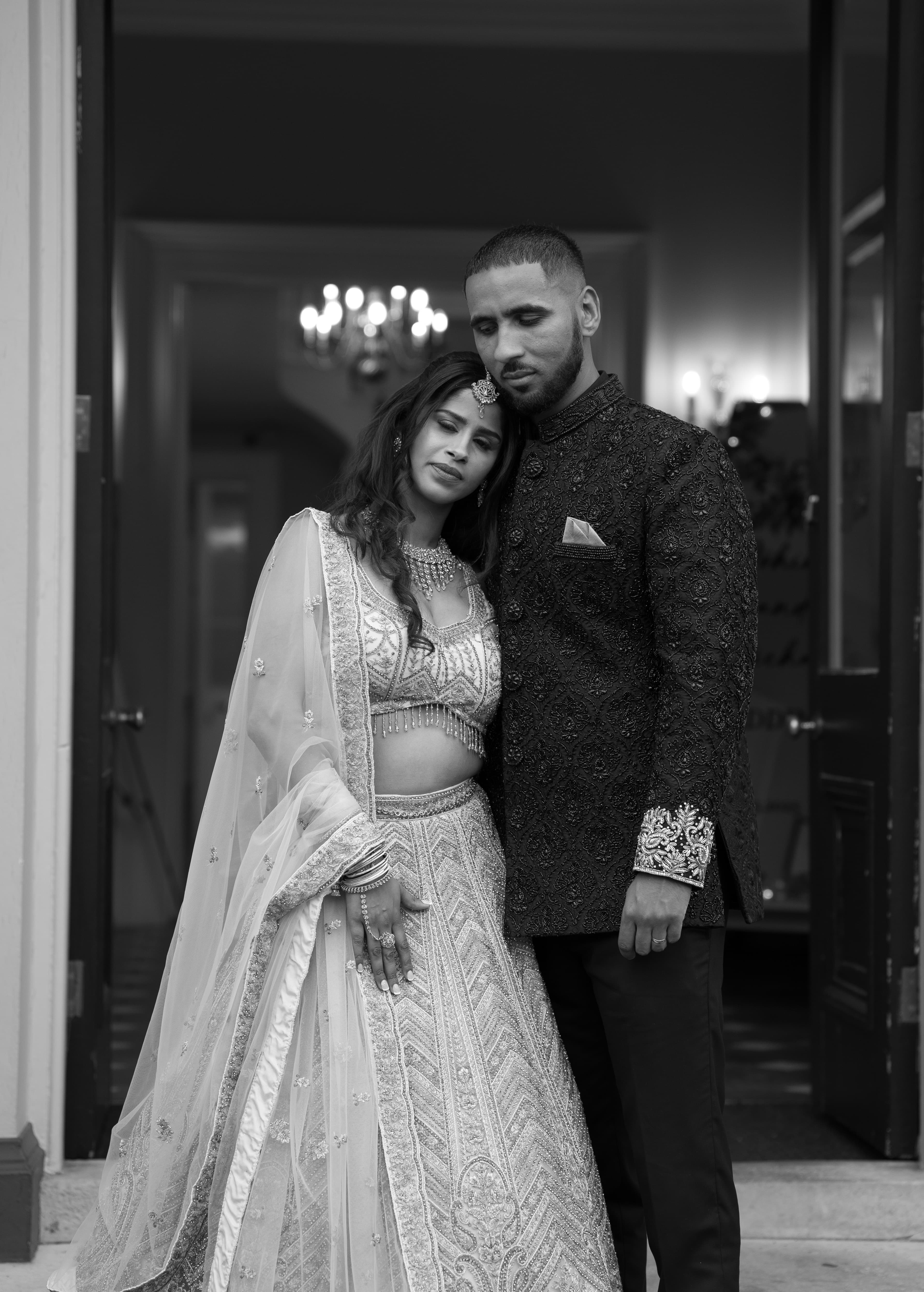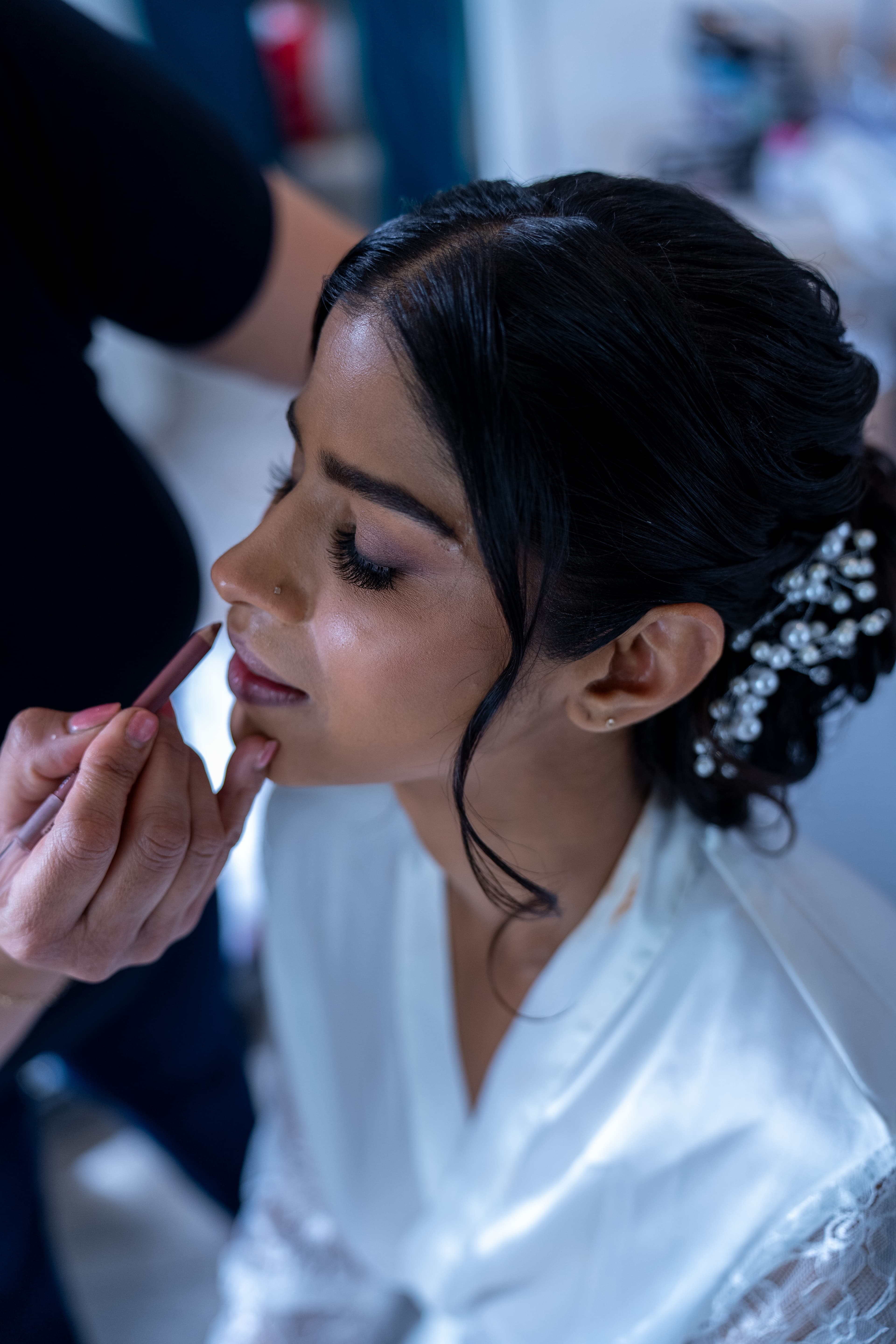
Start your photography and video timeline with the fixed parts of the wedding: ceremony, travel, meal and evening plans. Then agree space for preparations, family photographs and a short portrait session. The aim is to protect the moments you want recorded while leaving you time to enjoy your guests.
There is no single correct schedule. Ceremony length, guest numbers, accessibility, daylight and travel all change what is realistic. The timings below are a planning example to discuss with your venue and suppliers, not a promise that every wedding can follow them.
Begin with the moments that cannot move
Write down when the ceremony starts, when guests need to be seated, when food will be served and any fixed venue access times. Include speeches, performances and cultural or family traditions that are important to you. Share these priorities before filling the remaining space with photographs.
If events overlap, such as both partners getting ready in different locations, ask your team how coverage will work. A timeline cannot put one person in two places. Decide what matters most and discuss whether another photographer or filmmaker is appropriate.
Leave a calm finish to preparations
Ask the people helping you get ready to work towards being dressed before departure, with a little space for adjustments, a few portraits and time together. Details such as jewellery, shoes or personal notes are easier to photograph when they are gathered in one accessible place.
For film, tell the team if you plan to exchange letters or give a gift. These can be meaningful moments, but they should not become a surprise extra squeezed into the final minutes before you leave.
Keep family photographs organised
Make a short list of the combinations that matter most and give a copy to someone who knows the guests. Include names rather than only broad labels, particularly where family relationships need care. Tell the photographer privately about any sensitivities.
Choose an accessible gathering point near the celebration and agree a wet-weather alternative with the venue. Ask your photographer for a realistic time allowance once they have seen the list. The number of combinations and the distance people need to walk make more difference than a generic rule.
An example for a 2 pm ceremony
- 12:00–1:15 pm: preparations and details, with the coverage locations agreed in advance.
- 1:15–2:00 pm: finish getting ready, travel or settle at the ceremony venue, and allow setup time.
- 2:00–2:45 pm: ceremony and exit, adjusted to the actual ceremony plan.
- 2:45–3:15 pm: congratulations and time with guests.
- 3:15–3:40 pm: priority family photographs, if your agreed list fits this allowance.
- 3:40–4:00 pm: a short couple session for photographs and film.
- 4:00 pm onwards: reception, meal and speeches at the venue's agreed times.
- Later, if suitable: a brief additional portrait session and evening coverage within the booked hours.
This example assumes the locations and ceremony fit the available time. A separate reception venue, longer ceremony or larger family list needs a different plan. Do not shorten travel or guest time on paper simply to keep every entry.
Plan portraits around light, comfort and your guests
A useful portrait window is one you can enjoy. It may be before the meal, shortly after the ceremony or in two shorter sessions. Tell the team if you would prefer to stay close to the reception or if walking, heat or footwear affects where you feel comfortable.
For an autumn or winter wedding, discuss outdoor photographs earlier in the planning because the evening may arrive before the reception is underway. Confirm the actual sunset time nearer the date. Good indoor options matter too; sunset colour and dry weather are never guaranteed.
Give speeches and sound a place in the schedule
If you want speeches recorded, tell the filmmaker when and where they will happen and how speakers will use the microphone. Ask the venue or DJ to coordinate the sound arrangements with the team. Last-minute changes are easier to handle when someone communicates them before the first speaker begins.
Avoid scheduling couple portraits at the same time as an important guest moment. Put a named contact on the final schedule so changes can reach your suppliers while you enjoy the day.
Bring the plan together
Share one final version with your venue, photographer and filmmaker, including addresses, useful contacts and priority moments. On the day, use it as a guide rather than a stopwatch. Leaving a little breathing room makes it easier to absorb a delay.
Explore our photo-and-video coverage or wedding photography to see the approach. If you have a date and venue, send us your outline plans and we can discuss how coverage fits around your celebration.