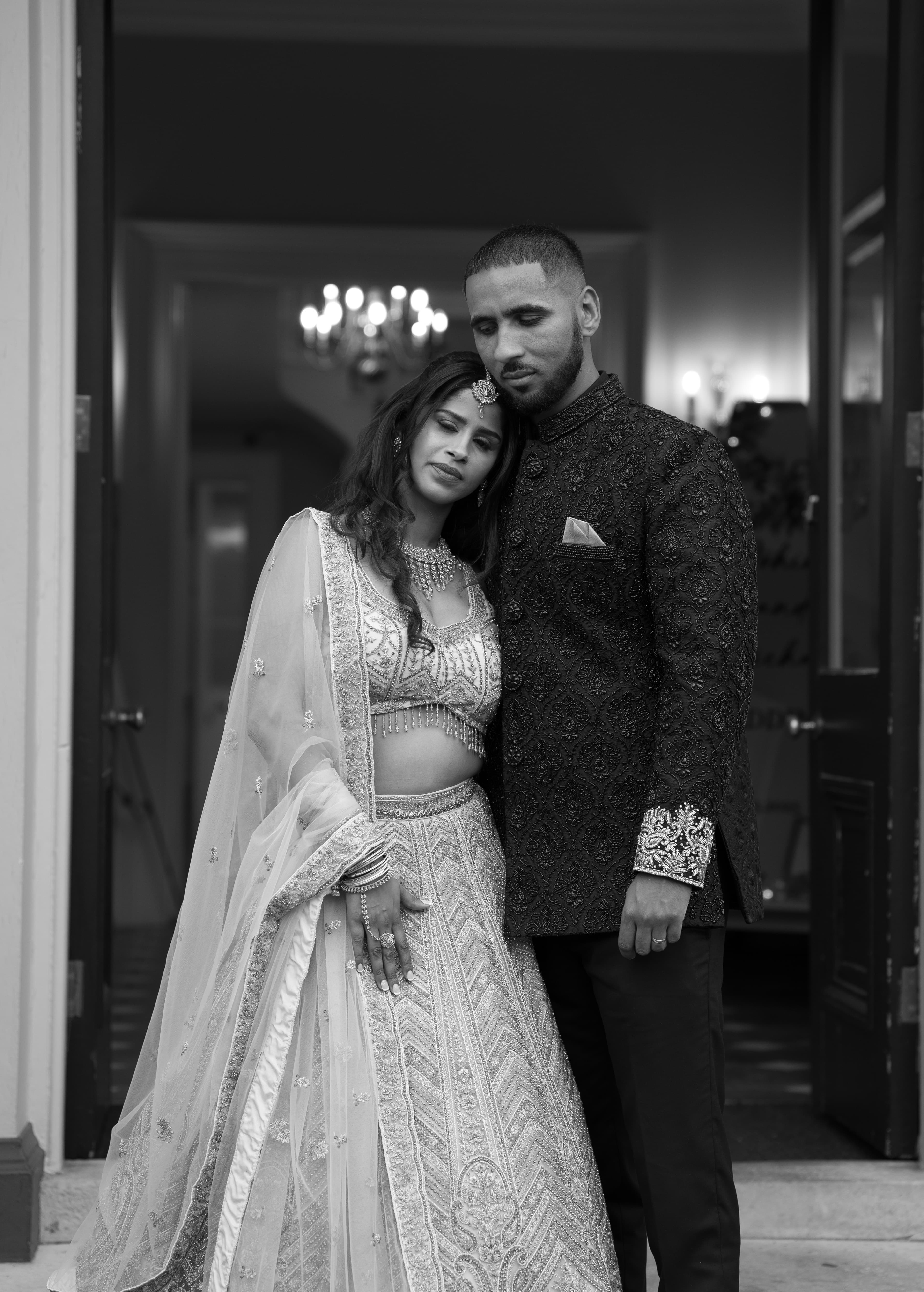
A pre-wedding shoot can be useful, but it is not a requirement for natural wedding photographs or film. Its value depends on what you want to learn before the wedding: how you feel in front of a camera, how your photographer gives direction, whether you would like a set of relaxed portraits, or how you want photographs and short pieces of film to work together.
The most useful question is not “Do couples normally have one?” It is “Would a separate session solve a real concern or create something we will genuinely use?” This guide will help you decide without treating the session as a rehearsal you must perform perfectly.
The short answer: useful, not essential
Consider a pre-wedding or engagement shoot if you would value time to become familiar with the camera, want photographs for invitations or a wedding website, or simply like the idea of documenting this part of your relationship. You can also use it to learn how much direction feels comfortable and to explain anything you would rather avoid.
Skip it if you already feel confident about the approach, your schedule is crowded, or the session would feel like another obligation. A thoughtful conversation, a clear wedding timeline and a photographer whose work and manner suit you can still prepare you well. If camera confidence is your main concern, read the related guide to feeling natural in wedding photographs and film.
When a pre-wedding shoot is worth considering
A separate session is most valuable when it has a purpose. You might want to see how your photographer uses prompts rather than fixed poses, discover whether walking or talking feels more natural than standing still, or practise telling them when something does not feel like you.
It can also help when one partner is enthusiastic and the other is anxious. The aim is not to make both people react in the same way. It is to find a pace that respects the quieter person and to learn what produces photographs that still feel honest.
If you are choosing both photography and film, the session can clarify how the two cameras share space, when movement is useful and whether you want any filmed material from the session. Confirm this in advance: a photography session does not automatically include film, and a short social clip is different from a finished wedding film.
What a session can — and cannot — tell you
A calm portrait session can show you how communication feels and whether the finished style matches the work you booked. It can reveal practical preferences too: perhaps you like a little direction at the start, prefer moving prompts, or need a few quiet minutes before close portraits.
It cannot reproduce the pace, emotion, guests, ceremony restrictions or changing light of a wedding day. Do not judge your future wedding coverage by whether every minute of the pre-wedding session felt effortless. The wedding itself will contain real interactions and events that cannot be rehearsed.
Treat the session as a way to build shared language. Useful feedback is specific: “That walking prompt felt natural,” “We prefer less close-up direction,” or “Please give us a moment before asking us to look at the camera.”
Choose a location that feels easy
A familiar neighbourhood, quiet park, stretch of city architecture or simple indoor setting can all work. Choose somewhere that supports the mood you want without turning the session into a complicated production. Travel time, busy periods, changing weather, access and places to pause matter more than collecting several backdrops.
Check who manages the location and whether photography, filming, tripods, lighting or commercial work needs permission. Rules can change, so obtain current information directly from the venue, landowner or local authority rather than relying on an old social post.
If privacy matters, ask how busy the location is likely to be and whether a quieter time is possible. A visually impressive place is not automatically the best choice if crowds will make you tense.
Plan clothing and timing for comfort
Choose clothes that feel like you and allow you to move, sit and walk without constant adjustment. Coordination does not require matching outfits. You can bring a second layer or small change, but several complete looks can use time that would be better spent settling into the session.
Tell your photographer about footwear, mobility needs, sensory concerns, cultural clothing, modesty preferences or anything else that affects location and direction. These details are practical planning information, not problems to work around at the last minute.
Agree a realistic start time and a weather plan. If particular light matters to you, ask when it is likely rather than assuming a fixed clock time will look the same throughout the year. Decide in advance what would trigger a change of location, a shorter session or a new date.
Use the session to improve communication, not rehearse poses
The strongest preparation is usually conversational. Explain what you like in the photographer’s portfolio and why. Mention any photographs you dislike without turning a long inspiration board into a shot-for-shot script. A few priorities give creative room while making your preferences clear.
Ask what you should do when you are unsure. Some couples want frequent prompts; others need space to interact. You can agree on a simple signal for taking a pause or changing direction. Good communication should continue on the wedding day rather than end when the session finishes.
You do not need to memorise poses. Wedding coverage includes documentary moments, people and movement that cannot be recreated from a checklist. The separate wedding photography and videography timeline guide can help you plan breathing room without scripting the day.
Decide whether you want photographs, film or both
If the purpose is confidence for wedding photography, a photographic session may be enough. Review the wedding photography approach and ask how the session will differ from portraits on the wedding day.
If hearing voices and seeing movement matters to you, ask what a pre-wedding film session would actually produce. Confirm whether audio is recorded, how long the finished piece is, where it may be used and whether music or delivery is included. The wedding videography page explains the wider film approach, but your proposal and written agreement should define your own deliverables.
Couples considering both can discuss a coordinated photo and video approach. Clarify who will attend, how much time is set aside for each medium and whether the result is one combined concept or separate deliverables.
Confirm deliverables, privacy and permissions
Before booking, ask how many finished photographs or films you will receive, the approximate delivery process, how you may use the files and whether the supplier may share them. Do not assume a pre-wedding session has the same delivery, cancellation, travel or publication terms as wedding-day coverage.
If you want to keep the session private until an announcement — or private altogether — say so before any work is published. Also confirm whether the location permits the intended use. Your contract or written proposal should answer the practical questions that matter to you.
A simple preparation checklist
Decide the one main purpose of the session. Choose a location and backup that are comfortable and permitted. Agree the date, duration, meeting point and weather decision. Share accessibility, privacy and direction preferences. Confirm who will attend and whether the session covers photography, film or both.
Then check the deliverables, turnaround, usage terms and any travel or permit responsibilities in writing. Bring only what supports the plan: suitable clothing, comfortable footwear, necessary medication, water and perhaps one meaningful item. Leave enough time that a delayed train or changing weather does not make the session feel rushed.
When skipping it makes sense
You may prefer to put the time and budget elsewhere, especially if you already trust the team, do not need separate portraits and feel comfortable after a consultation. Some couples would rather have a relaxed planning call and reserve all professional coverage for the wedding itself.
Skipping a pre-wedding shoot does not mean arriving unprepared. You can still discuss family dynamics, portrait priorities, ceremony rules, sound, travel and the order of events. Reviewing full galleries or portfolio work can also help you understand consistency beyond a small set of favourite images.
Questions to ask before booking
Ask what the session is designed to achieve, who will photograph or film it, how long it lasts, what happens in poor weather and whether the location needs permission. Ask what is delivered, when it is delivered, how the work may be used, whether both partners can share preferences and what happens if the session needs to move.
For film, ask specifically about recorded sound and the finished format. For photography, ask how images are selected and whether the session style matches the wedding work you booked. For combined coverage, ask how the team divides direction so you are not responding to two competing sets of instructions.
Keep it useful to your wedding
A pre-wedding shoot should reduce uncertainty or create something meaningful. It should not make you feel as though you have passed or failed a camera test. Decide what success means before the session, share honest feedback afterwards and carry only the useful lessons into the wedding day.
If you would like to discuss whether a pre-wedding session, wedding photography, videography or coordinated coverage suits your plans, check your date and tell Miftah what you have in mind. You can ask the practical questions before deciding.