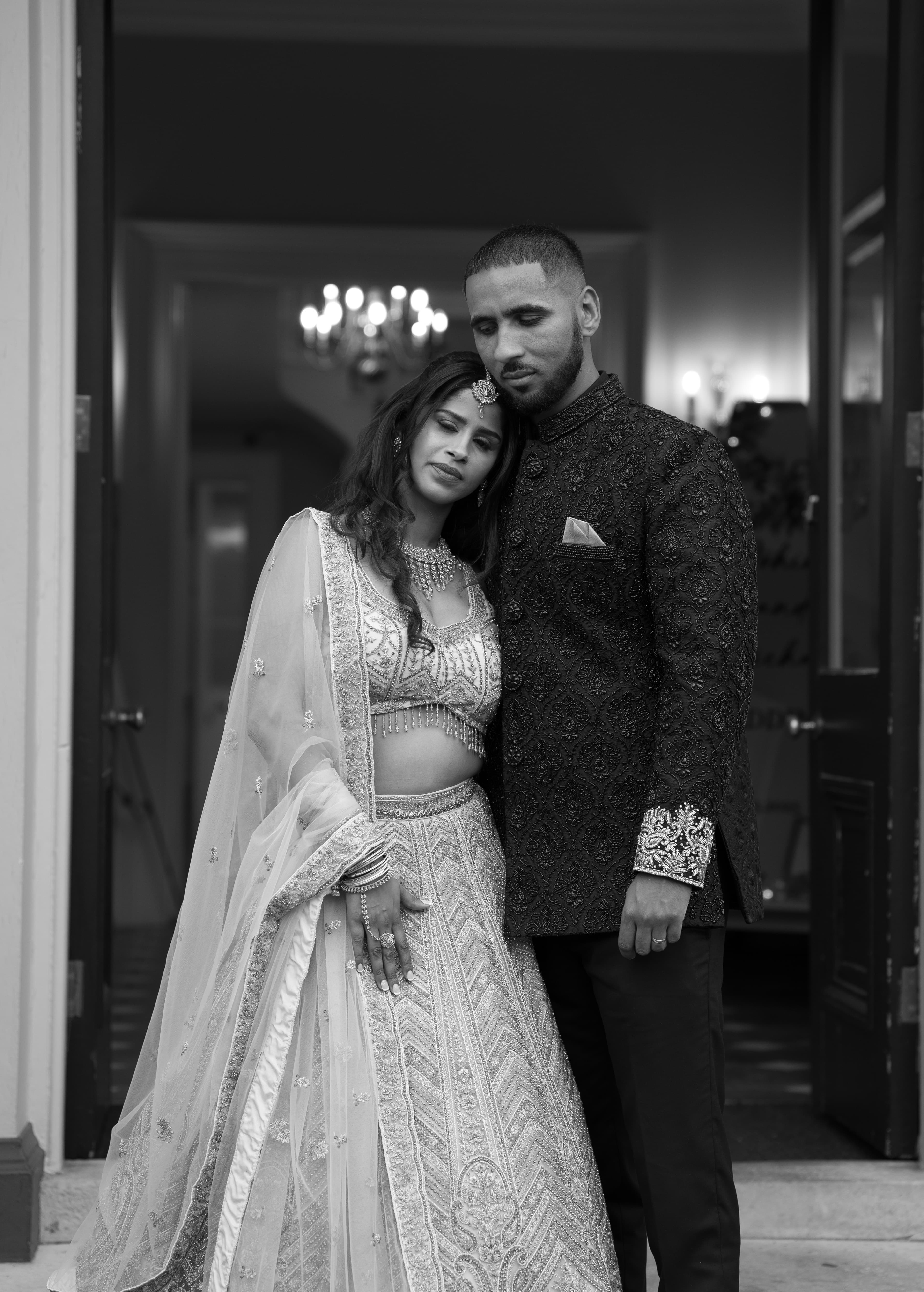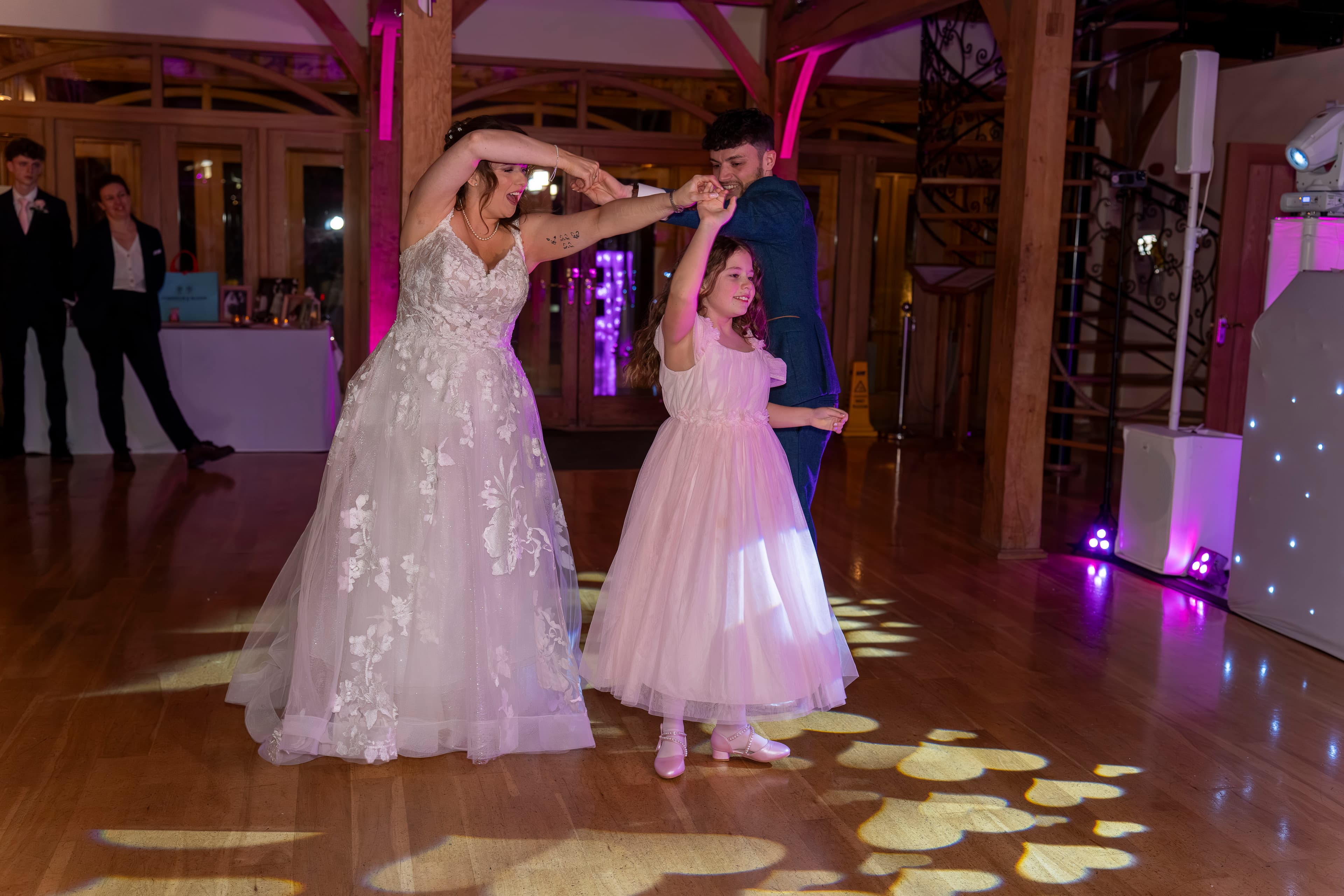
Family group photographs matter because they bring together people who may rarely be in the same place. They can also become the point where a relaxed wedding day starts to feel like a roll call. The answer is not to avoid them. It is to decide which photographs will still matter years from now, organise those people clearly and protect a short, realistic window for the photographs.
A useful family-photo plan gives your wedding photographer names, relationships and priorities without trying to script every frame. It also leaves room for natural photographs of relatives talking, laughing and celebrating before and after the formal groups. This guide shows how to build that plan for a London or UK wedding, whether you book photography alone or one coordinated Photo + Video team.
Start with the photographs you would genuinely print
Begin with the people whose presence makes the photograph meaningful, not with every possible combination. Parents, guardians, grandparents, siblings, children and any person with an important family role usually belong near the top of the list. Then consider whether there is one wider photograph for each side of the family.
A simple test is to ask where the photograph will live. If you can imagine it framed, included in an album or shared with a relative, it probably earns a place. If two combinations contain almost the same people and serve the same purpose, combine them. A shorter list normally gives each group more attention and returns you to your guests sooner.
If you want to see how family photographs fit beside documentary coverage and couple portraits, review the current wedding photography approach. Your own proposal and consultation remain the source of truth for the coverage you book.
Write names and relationships, not vague labels
“Bride’s family” or “everyone from Dad’s side” may sound clear when you write the list, but it can be difficult for somebody else to organise in a busy room. List the people by name and add a short relationship where useful. For example: “Sam and Aisha with Mum Farah, Dad Tariq and sister Leila.”
Names help the photographer or nominated helper find the right people without asking the couple to identify every relative. They also reveal duplicate combinations and make it easier to check that grandparents, step-parents, guardians or other important relationships have not been unintentionally overlooked.
Put the list in an order that reduces movement
Arrange the groups so that people enter and leave efficiently. One practical pattern is to begin with the largest essential group, then remove extended relatives while keeping parents and siblings in place. Repeat for the other side before finishing with any small combined-parent or sibling photographs.
There is no universal order. Mobility, venue layout, family relationships and the ceremony schedule may require a different sequence. Share the draft with your photographer before the wedding rather than finalising it alone. A small change to the order can save repeated walking, searching and rearranging on the day.
Choose one helper from each side of the family
Your photographer may not recognise every relative. Ask one confident person from each side of the family to help gather the next group while the current photograph is being taken. The best helper is organised, knows the names and is comfortable speaking clearly without turning the session into a performance.
Give the helpers the final list before the wedding and tell them where the photographs will happen. They should not need to invent new combinations on the day. If somebody essential is missing, the helper can locate them while the photographer continues with a group that is ready.
Share family sensitivities privately and early
Tell your photographer about separations, bereavements, strained relationships, accessibility needs or any person who should not be placed together. This information can be brief and private. The purpose is not to explain family history; it is to avoid awkward instructions in front of guests and to plan respectful combinations.
If a relative would prefer to sit, needs shade, cannot stand for long or should be photographed first, say so in advance. Build the order around the people who need the most consideration. No one should be made uncomfortable for the sake of a perfectly symmetrical group.
Agree when and where the photographs will happen
The location should be close enough that people can be gathered quickly, large enough for the biggest group and simple enough to access safely. Consider the background, available light, weather protection and whether the route crosses a busy service area. A beautiful distant corner is not always useful if reaching it takes longer than the photographs.
Many couples place family photographs shortly after the ceremony, when the relevant people are already nearby. That can work well, but it is not a rule. Religious or cultural traditions, a room change, transport or a receiving line may make another time more practical. Add the family-photo window to the shared schedule and explain it to the venue or coordinator.
Our wedding photography and videography timeline guide explains how to use buffers and handovers without turning the wedding into a minute-by-minute production.
Plan for rain, heat and limited daylight
For an outdoor group plan, identify an indoor or sheltered alternative before the wedding. The backup needs enough room and reasonable light; “we will find somewhere if it rains” can create a long delay when guests are already moving towards the reception.
In hot weather, avoid keeping older relatives, children or large groups waiting in direct sun. In colder months, prepare the next group indoors where possible and bring people outside only when the photographer is ready. Around sunset, protect the limited light needed for couple portraits instead of using the entire window for an expanding group list.
Keep candid family moments separate from the formal list
A group list is a safety net, not the whole story of your family. The embraces after the ceremony, conversations during drinks, children moving between relatives and reactions during speeches usually happen outside the arranged photographs. Leave enough unscheduled time for those interactions to unfold.
Tell your photographer which relationships matter, but avoid asking for every candid moment to be recreated. Documentary photographs are strongest when people can return to the celebration. The formal session confirms the essential combinations; the rest of the coverage records how the gathering actually felt.
Let photography and film follow one plan
If you have both a photographer and a videographer, share the same family list and timeline with both. The videographer may record the atmosphere around the groups rather than film every posed combination. Agree the approach before the wedding so relatives are not repeatedly called back or asked to repeat natural reactions.
Miftah Photography’s Photo + Video service uses one coordinated plan for photographs and film. Separate suppliers can work well too when they receive the same schedule, venue information and list of priorities.
A compact family-photograph list
The example below is a planning starting point, not a required format. Replace every label with names and adapt it to your relationships:
1. Couple with both immediate families. 2. Couple with one side’s parents, siblings and grandparents. 3. Couple with that side’s parents or guardians. 4. Couple with the other side’s parents, siblings and grandparents. 5. Couple with that side’s parents or guardians. 6. Couple with siblings. 7. One or two wider-family groups that genuinely matter.
This structure can be shorter or longer. A large or multicultural wedding may need carefully chosen elder, household or ceremonial groups, but guest count alone should not create dozens of combinations. Ask which relationships and traditions need to be represented, then make the list specific.
Final checklist for the week of the wedding
Confirm the names, order and meeting point. Give the list to the photographer, relevant videographer, venue or coordinator and the two family helpers. Recheck accessibility and the wet-weather location. Tell the helpers when to gather people, but ask them not to pull close family away during important moments or private preparations.
If the schedule changes, tell the photography and film team before the planned group window. A clear update is more useful than trying to squeeze the original list into a much shorter gap.
Make the plan fit your wedding
The best family list is short enough to manage and personal enough to matter. It protects the photographs you do not want to miss while leaving most of the day available for real conversations, reactions and celebration.
If you would like a calm plan for family groups, natural portraits and documentary coverage, check your date and describe the wedding, venue and the people you most want included.