A useful getting-ready room gives you a comfortable place to prepare, a little clear space beside good light and an easy route out when it is time to leave. You do not need a bridal suite, matching robes or a spotless house. A few decisions beforehand can help photography and film fit around the morning you actually want.
Start with the people using the room, then work out where hair and make-up, dressing and cameras can happen without competing for the same corner. These suggestions are a planning checklist, not extra tasks you must perform for the photographs.
Choose a workable room before choosing a beautiful one
Compare the rooms you can realistically use. Is there enough space for the people getting ready? Can doors open without catching bags or equipment? Is there somewhere to sit, put drinks down and keep outfits safe? A modest room with a clear window and straightforward access may be more useful than a grand room filled with furniture.
If you are getting ready at a hotel or venue, confirm when you can enter the room, whether another booking affects access and where suppliers should park or unload. Do this before making the morning timetable. An early ceremony and a late room-access time need a different plan from preparations at home.
Tell your photographer and videographer if the two of you will prepare at different addresses. Share realistic travel times and access details, and ask how your agreed team and coverage can handle both locations. Do not assume that one person can cover simultaneous moments in two rooms.
Agree the light and make-up position together
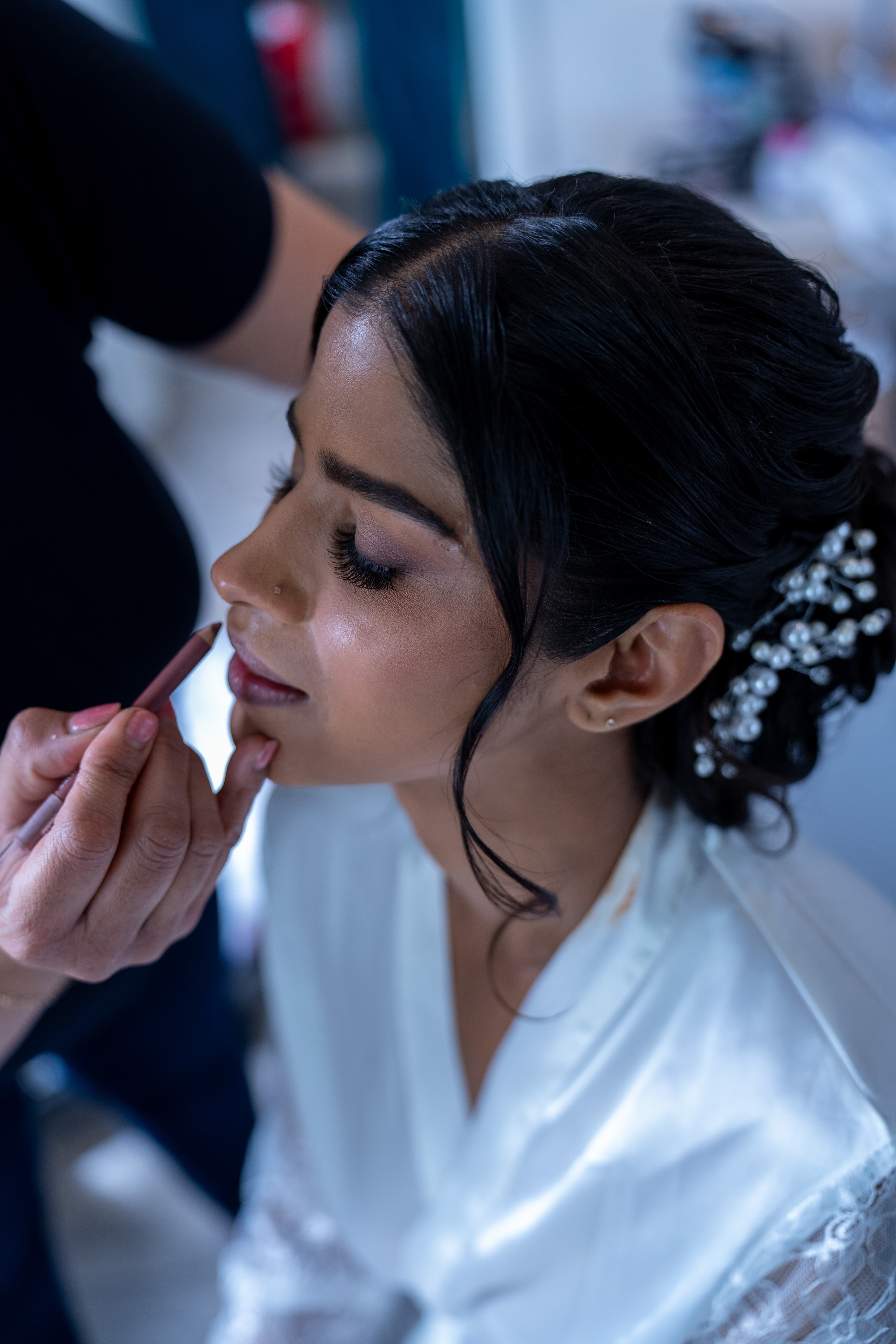
A clear window can offer a useful place for preparation photographs, but the make-up artist also needs suitable light, power and a practical working position. Discuss the room with them and your camera team rather than moving their chair on the morning without asking.
Send a few ordinary phone pictures of the room in advance, including the window, working area and doorway. Mention roughly when you will be there. The same room can look different in morning sun and later shade; the team can assess the conditions when they arrive.
Keep a comfortable area near the window available if possible, but do not block a walkway or move heavy furniture for a photograph. Ask the camera team before switching lights off or changing blinds. If the room is dark, share that early so they can discuss a practical approach instead of leaving you to solve it.
Tidy one useful area, not the whole morning
Choose a place for coats, overnight bags, packaging and spare shoes, away from the main preparation area. One clear surface and a small uncluttered corner often make more difference than spending the morning cleaning every room. Ask a willing helper to look after that area while you get ready.
Leave the essentials within reach. Hair tools, make-up, medication, water and chargers still need to be usable. Do not unplug a supplier's equipment or hide something they are working with. The room should function first; the camera team can choose angles around the rest.
Check what is visible in mirrors as well as directly behind you. Put private paperwork, addresses, gifts with personal messages and anything you do not want recorded out of view. If there are meaningful objects you would like included, point them out rather than hoping the team will recognise their importance.
Keep details together and valuables with a named person
If you would like detail photographs, gather the items that matter to you in an accessible place: perhaps shoes, jewellery, a tie, stationery or flowers. There is no need to buy extra objects for a flat lay. Tell the team which items are important and which can stay packed.
Agree who is responsible for rings, jewellery and other valuables. That person should know when an item is being photographed and when it is returned. Do not leave rings unattended in a shared room or move them away from the person responsible for bringing them to the ceremony.
Keep an outfit on a secure hanger in a suitable place, following any handling advice you have been given. Avoid improvised hooks, damp surfaces or balancing a heavy garment on a curtain rail. If you want a hanging photograph, let the photographer assess a safe position before moving it.
Set privacy boundaries before dressing begins
Tell the camera team which parts of getting ready you want covered. You might welcome hair, make-up and final adjustments but want all cameras outside while you change. Someone else may prefer a smaller preparation sequence. Either choice can be planned without explanation or pressure.
Agree a clear cue for when filming and photography should pause and when the team can come back in. Tell anyone helping you dress about that plan. Do not assume that a camera facing away has stopped recording; ask the team to confirm.
If children or guests are present and there are particular privacy preferences, share them before coverage starts. Let the team know about closed rooms and private conversations. Keep the invitation to the preparation room manageable so that you can feel comfortable as well as leaving space to work.
Give photography and film a shared plan
Still photographs and film may need slightly different positions, but the morning does not need two separate sets of instructions. Ask the team to agree how they will work around each other, particularly during final outfit adjustments, an entrance or a reveal you have chosen to include.
For an optional letter reading, gift exchange or spoken message, tell the videographer in advance if you want the words recorded. A quieter part of the room and a short pause in music or conversation may help. Ask about the recording setup; do not create a private moment just because you think the film requires it.
Film can also draw meaning from ordinary movement: a jacket being fastened, a friend making you laugh or someone checking the time. You do not need to repeat everything for the camera. If you prefer minimal direction, say so when you plan the morning.
Explore wedding videography and combined photography and film to see the approaches you are considering. For spoken moments, the guide to clear vows and speeches audio explains the questions to ask about sound.
Plan the exit, not just the final make-up time
Work backwards from the time you need to leave, including the walk to transport, lifts or stairs, collecting essentials and any realistic journey buffer. Hair and make-up finishing at the departure time leaves no room for dressing or a calm final check.
Ask the people helping with outfits how much time their part needs. Decide who carries the phone, room key, touch-up items and anything needed later. If you would like a few photographs once dressed, discuss a flexible window within your actual coverage rather than squeezing them into the doorway as transport waits.
A delay should not become a scramble to complete an imaginary shot list. Agree which photographs or film moments matter most so the team can adapt. The wedding photography and videography timeline guide offers a wider planning framework; its timings are illustrative, not a requirement for your day.
A short room brief you can send before the wedding
Send the preparation address, room-access time and departure time; who will be there; whether preparations are in one place or two; and any parking, stairs or access constraints. Add phone pictures of the available space if helpful.
Then note your preferred privacy boundary, any meaningful details, the person responsible for valuables and whether an optional spoken moment needs sound. Identify one helper who can answer practical questions while you are getting ready.
That brief is enough to start a useful conversation. A comfortable morning with real people and room to move matters more than copying an image from someone else's wedding.
Plan your morning with Miftah Photography
If you are considering wedding photography or photography and film together, share your preparation location and the outline of your morning alongside your date. We can discuss how the coverage you are considering fits your plans; your proposal and written agreement confirm the arrangements.
Check Your Date to start that conversation. You do not need every room or timing decision settled before you enquire.