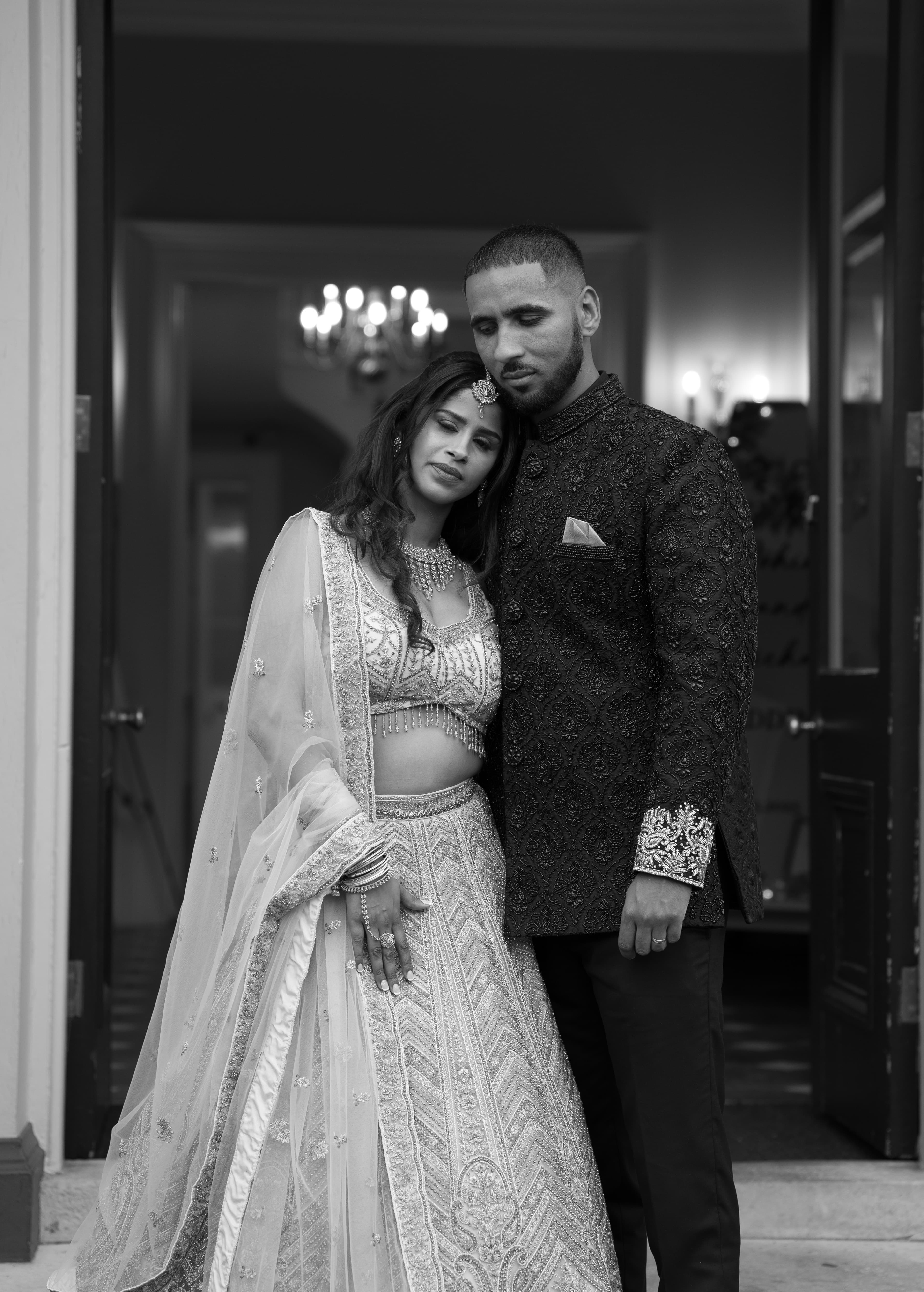
Autumn and winter weddings can give portraits atmosphere, texture and beautifully soft light. They can also bring early darkness, rain, wind and quick changes in temperature. A useful portrait plan does not depend on one perfect forecast. It gives the photographer a preferred outdoor option, a practical indoor alternative and enough flexibility to use the best conditions that actually arrive.
The aim is not to turn the day into a weather exercise. It is to make a few decisions before the wedding so you can spend less time discussing locations when your guests are waiting. Whether you book wedding photography or a coordinated Photo + Video service, the same principle applies: protect the photographs that matter, keep the plan comfortable and let the day continue naturally.
Build the portrait plan around the day, not a perfect forecast
Start with the fixed parts of the wedding: ceremony time, travel between locations, the reception schedule and any cultural or religious traditions that cannot move. Then identify where a short portrait window could sit without pulling you away from an important part of the day. In colder months, the most attractive natural light may not coincide with the longest gap in the schedule, so the portrait plan should be discussed alongside the wider timeline.
Avoid designing the whole schedule around a precise prediction made weeks in advance. Conditions can change quickly, and different parts of a venue may be sheltered or usable even when the general forecast looks poor. A photographer can make better decisions on the day when there is room to move a short portrait session earlier or later without disturbing the ceremony, meal or speeches.
The wedding photography and videography timeline guide explains how to use buffers and handovers without treating the wedding like a rigid production schedule. Your own proposal and agreed coverage remain the source of truth for the hours and deliverables you book.
Choose one outdoor option and one indoor alternative
A clear first choice is more useful than a list of ten possible portrait spots. Select an outdoor area that is close to the main celebration, easy to reach in wedding clothes and large enough for the two of you and the photography or film team to work without blocking guests. Look for a calm background, a safe walking surface and some shelter from strong wind.
Then choose an indoor alternative before the wedding. It might be a doorway, staircase, windowed corridor, quiet reception room or covered entrance. The backup does not have to look identical to the outdoor setting. It simply needs enough room, a background you are happy to see in photographs and permission for the team to use it at the relevant time.
Ask the venue or coordinator whether the indoor space will be occupied, reset for dinner or used by another supplier. A room that appears empty during a viewing may not be available on the wedding day. Confirming access is more valuable than assuming the photographer can improvise somewhere after rain begins.
What makes an indoor portrait location useful
Window light is helpful, but a usable indoor location is about more than a large window. Check whether the light reaches the place where you can stand, whether curtains or blinds can be adjusted, and whether bright exit signs, clutter or stacked furniture dominate the background. A narrow corridor may have lovely light but leave no practical working distance.
Consider how long it takes to reach the location from the ceremony or reception. A beautiful room at the opposite end of a large venue can consume most of a short portrait window. The strongest backup is usually close, uncluttered and available, even if it looks simpler than the grandest interior.
Artificial light can also be used creatively, but it changes the pace and appearance of the photographs. Discuss the approach with your photographer rather than assuming every indoor space will look like daylight. The plan should suit the style you have booked and the atmosphere you want.
Protect a short, flexible portrait window
A portrait session does not need to be one long block. For many weddings, it is easier to reserve one short planned window and allow a second brief opportunity only if the weather or light improves. That keeps the essential photographs protected while avoiding a long absence from guests.
Build a little movement time around the session. Coats may need to be removed, shoes checked and clothing adjusted after walking outside. If photography and film are both covering the portraits, allow the teams to work from the same plan instead of running separate sessions. Small transitions become more noticeable when the day is cold or the route is wet.
Keep the window flexible, but not invisible. Tell the venue or coordinator when the team may take you away briefly so food service, room announcements or transport are not started at the same moment.
Keep comfortable without abandoning the photographs
Comfort changes how relaxed people look. Keep a warm layer, umbrella and suitable footwear close to the portrait location rather than in a distant room or vehicle. One member of the wedding party can hold them for a few minutes and help protect clothing between frames. The practical items do not need to appear in the final photographs.
If the ground is wet, choose a firm route and avoid asking a dress, suit or mobility aid to cross an unsafe surface. Outdoor portraits are optional, not a test of endurance. A few minutes in a sheltered spot can be more useful than a longer session in heavy rain or strong wind.
Tell the team about health, mobility or sensory needs before the wedding. That information helps them choose a route and pace without drawing attention to it on the day. No photograph is worth making either of you uncomfortable or unsafe.
Decide which portraits matter most if conditions change
Write a short priority list. It might include one full-length portrait, one closer photograph, a quiet walking frame and one image that shows the season or venue setting. The exact list should reflect you, not a generic checklist. When the weather closes in, priorities help the photographer use a brief opportunity well.
Separate couple portraits from family groups. A large group needs more space, more gathering time and a location that works for different ages and mobility needs. The family group photograph planning guide covers how to build that list and prepare a wet-weather alternative without using the couple’s entire portrait window.
Also decide what can be released. If the planned outdoor route is no longer safe or comfortable, moving indoors is not a failed version of the day. It is the agreed alternative doing its job.
Coordinate photography and film around the same light plan
When you have both photography and videography, share the same locations, timings and backup plan with both teams. Video may need clean sound, controlled movement and a slightly different position from still photography. A coordinated plan lets each person work without asking you to repeat the same walk or reaction several times.
Miftah Photography’s combined photography and videography service uses one joined plan for the day. Separate suppliers can also work smoothly when they speak before the wedding, know who will lead the portrait window and agree how to share limited indoor space.
If you want spoken audio during a private letter reading or another planned moment, raise that separately. Portrait coverage does not automatically mean that every conversation will be recorded. The guide to clear vows and speeches audio explains the questions worth discussing for important spoken moments.
Plan travel and room changes before the wedding
Short winter days make avoidable travel more expensive. If preparations, ceremony and reception happen in different places, calculate the real movement between them, including parking, lifts, stairs and waiting for transport. A ten-minute drive can create a much longer break in coverage when everybody needs to regroup.
Ask when the venue will change rooms for dinner and where guests will be directed during that change. The portrait location should not sit in the middle of a supplier route or a space being reset. If the only indoor alternative disappears at a certain time, move the portrait window or agree another room in advance.
Give the final location plan to the venue or coordinator as well as the photography and film team. A shared note is more reliable than expecting one supplier to relay it to everybody on the morning.
Keep the portraits natural, even when the plan is detailed
Planning locations and timing does not mean scripting expressions. The practical plan should create enough calm for you to talk, walk, pause and stay close without being asked to perform. If you feel awkward in front of the camera, say so before the wedding. Clear guidance can be gentle and still leave room for genuine reactions.
The camera-shy couples guide offers a useful briefing method and comfortable portrait options. You do not need to memorise poses or recreate photographs from somebody else’s wedding.
A practical briefing checklist
Before the wedding, confirm: the preferred outdoor portrait area; the indoor or covered alternative; who has approved access; the walking route; the likely room-change times; where coats, umbrellas and spare footwear will be kept; any mobility or comfort considerations; the photographs that matter most; and who will lead if photography and film are working together.
In the final week, share any material schedule changes and check that the backup space is still available. Do not chase a long-range forecast hour by hour. The useful decisions are already in place, and the team can respond to the conditions on the day.
If you are choosing between coverage options, review the current photography approach, videography service and Photo + Video service. Package details and your written proposal should always take priority over general planning advice in this article.
Make the weather plan simple enough to use
The strongest autumn or winter portrait plan can be explained in a sentence: use the preferred outdoor spot if conditions are comfortable, otherwise move to the agreed indoor location, with a short second opportunity only if it fits the day. That clarity gives the photographer room to be creative without making you manage the weather.
A thoughtful backup does not reduce spontaneity. It removes the avoidable decisions, protects your time with guests and makes space for portraits that feel connected to the real atmosphere of the wedding.
If you would like to plan seasonal portraits, photography and film around your wedding schedule, check your date and share the venue, ceremony time and the coverage you have in mind.